

Why You Should Read Novels
What Novels Show Us That Other Books Don’t

A good question may cross your mind every time you are about to read a novel or even just considering picking one up: Why should I read a novel especially when some of them are purely fictional, entirely born from the imagination of the author? What could I possibly gain from something that isn’t even “real”? And why should I spend time on novels when I could be reading books with a clear, real purpose like self-help books, or educational works in psychology, or any other scientific field?
And that, in fact, is an excellent question, and please let me applaud you for asking it. For questioning, in itself, is an art. It is often said that intelligence doesn’t lie in having the right answer, but in asking the right question that has the power to transform you even if you never find a definitive answer. After all, every module of technology we have today began with a simple, daring question: Why? or What if?
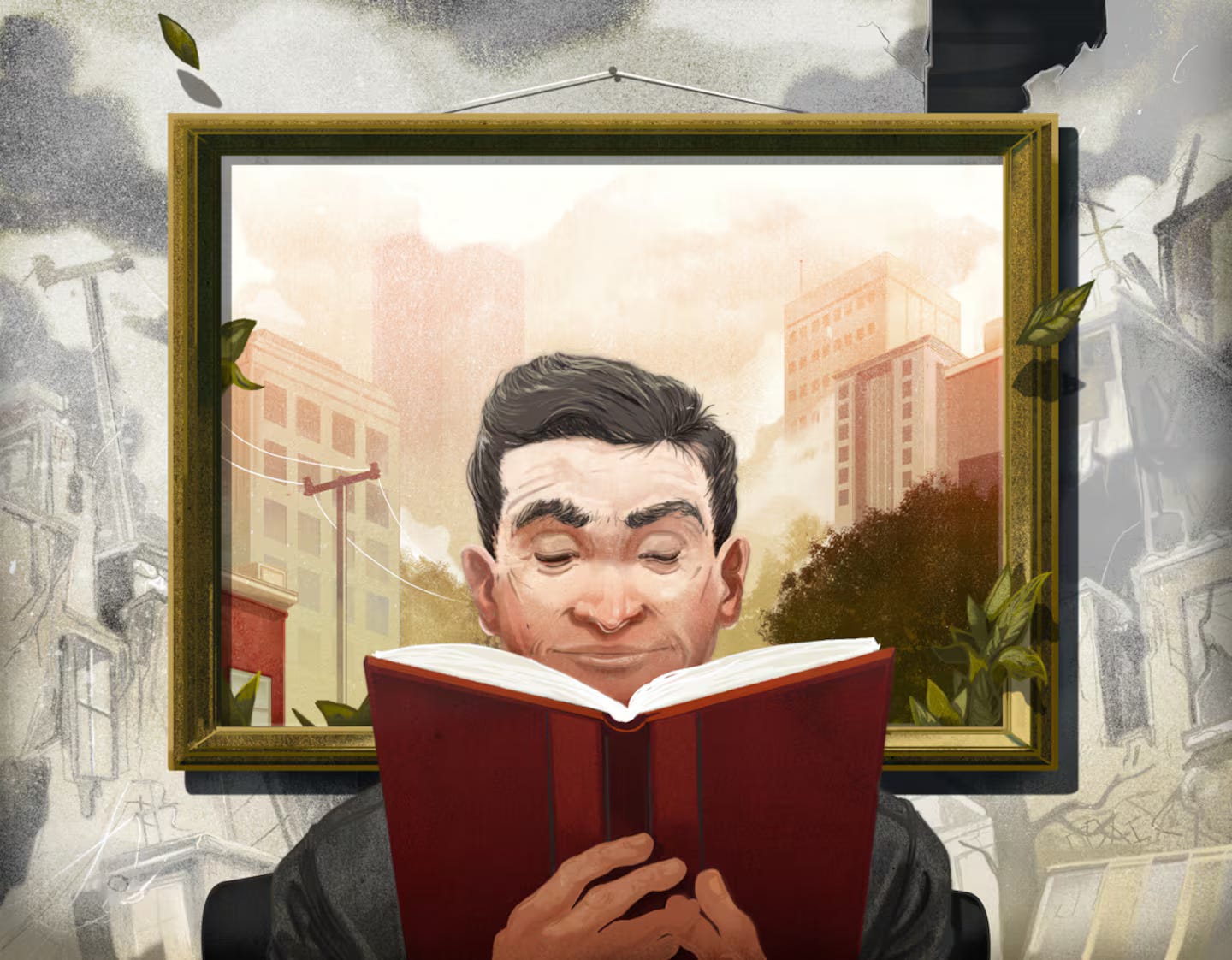
Novels and more specifically, what we call “great novels” are not stories told for entertainment or instruments of aesthetic pleasure. I see them as they are tools for understanding the human being. Well, in fact maybe all books have this common purpose, you are right, but Novels offer us a window into the depths of the human soul, as the human soul is something very complicated, it has intricate emotions, inner struggles, and tangled thoughts within diverse social, cultural, and historical contexts. No empirical science or rigid theoretical framework can convey the nuanced details that shape human identity the way a novel can.
Because a novel or even a play is nothing but the development of a character, it usually begins with a character and ends with that same character being transformed, This transformation happens because of his interactions with the world, which is the same thing that can happen to any of us. What changes are their qualities, their perceptions, their emotional depth, or their moral clarity. We notice a journey, not just through events, but through internal landscapes: the subtle evolution of thought, the breaking down of illusions, the forging of new beliefs. So, this transformation is often so gradual and layered that it mirrors real life far more closely than any didactic text could. In this way, novels don’t just tell us that people change, they show us how and why they do, and what it costs them.
A great novel creates a world of its own through words, a world that reproduces the real one with greater clarity and depth. When we read about a fictional character's pain, we often feel it with them sometimes even realizing things about ourselves we hadn’t noticed before. As we move through their stories of love, loss, struggle, or heartbreak, we end up feeling those emotions too even if not directly, maybe, but in a way that still leaves a real impact deep inside us.
In a way, novels can be just as important as philosophy, psychology, or sociology. They help us see the world differently, make us more aware of others, and give us a deeper sense of how complicated human life really is. Unsurprisingly, psychology is extremely tied to literature in so many ways. If you’ve ever read anything by Dostoevsky, for example, you’ve probably seen versions of yourself in his characters, sometimes the parts you like, and other times the ones you’d rather not admit to. He was giving us a really detailed look into the psychological side of human nature, like peeling back the layers of the mind, thought by thought. It’s not just about what people do, but why they do it, what they’re afraid of, what they’re hiding, and how their past or guilt or desires shape their choices even in the future. Truthfully, you don’t just read his characters, you feel like you’re sitting inside their heads, watching their inner battles grow. It’s intense, sometimes even uncomfortable, but that’s what makes it so powerful and real.
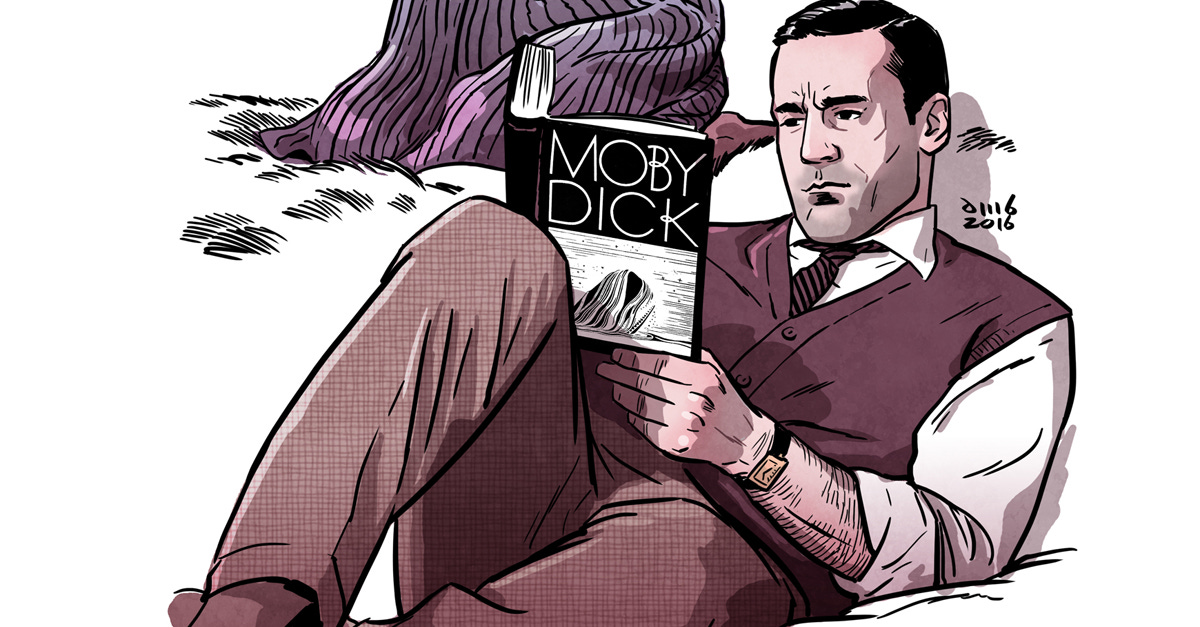
Dostoevsky was messing around with psychological ideas way before psychologists even put them into theories، some even ended up borrowing straight from him. He’d give you a character and basically say, “Check this out see how can someone be a murderer and at the same time be a good person. Even the tiniest bit of goodness in a person can totally take over?” His stories show that no matter how messed up someone seems, there’s always that little spark of virtue that can make a huge difference. That’s what makes his characters feel so real, they’re full of flaws but also that flicker of hope.
And it’s not just Dostoevsky, literature in general gives us a chance to explore different sides of ourselves through the lives of others. Whether it’s guilt, fear, love, pride, or hope, narratives help us make sense of those emotions by letting us live them through someone else. That’s part of what makes reading feel so personal, it’s not just about the character’s journey, it’s about yours too.
Think about Sylvia Plath، she basically inspired a whole psychological idea called the “ The Sylvia Plath Effect.” Tons of research papers have come out on stuff like PTSD, major depression, and other mental health issues, all connected back to her work. Just one of her novels was a huge deal for the feminist movement, showing how powerful a single story can be. But it’s not just that, she nailed so many parts of being human all at once: love, sex, sickness, depression, affection, vitality, and all those messy layers that make us who we are. And she didn’t hold back when talking about mental hospitals and mental illness, giving us a raw, honest look at what it’s really like, way before it was a common topic. That’s what makes her writing hit so close to home for so many people.
Think about George Orwell and his novel 1984 how he basically predicted the future with technology like surveillance, government control, and the way politics can manipulate truth and freedom. And then there’s Snow Crash by Neal Stephenson, which seemed to predict the rise of smartphones, virtual realities, and even the internet’s power over society long before they actually happened. These novels didn’t just tell stories; they warned us and made us think about where technology might take us. It’s crazy how some novels end up being way ahead of their time, almost like they’re peering into the future and showing us what’s coming.
Think about Italo Calvino’s Invisible Cities and how it’s not just a novel about cities, but an inquiry of imagination, memory, and human experience. Just through conversations between Marco Polo and Kublai Khan, Calvino carries us on a trip through dozens of fantastical cities, each one representing different ideas about how we live, dream, and relate to the world. Have you imagen for once how a city can be considered not just a place on a map but a reflection of desires, fears, histories, and possibilities?
Think about the "A Portarit of The Artist As A Young Man" by James Joyce who takes us on a wild journey through the inner world of his protagonist, where the character swings between wanting to adopt religion wholeheartedly and doubting everything around him.
Not to mention The Divine Comedy and Shakespeare’s plays, there are already thousands of articles written about them covering everything from religion and comparing different faiths, to psychology, economics, wars, good and evil, and way more. These works have been analyzed from every possible angle.
That’s what makes novels so special, even when they’re completely fictional. You get to follow the main character’s journey and kinda see how you’d act in their shoes. It shows how ignoring yourself can really drag you down. Plus, it hits on how a lot of our problems come from putting others before ourselves too much. You don’t usually get that kind of full, messy human experience in other books, they often just focus on one idea without showing how it plays out in real life. And because novels dive deep into characters’ thoughts and feelings, they let us explore all the messy contradictions inside us, our fears, hopes, mistakes, and growth in a way nothing else really can. It’s like getting a front-row seat to what it means to be human, flaws and all. One of the most powerful things a novel can do is ask big, open-ended questions instead of giving us simple answers. Questions like: Who are we? What does it mean to really live? How do we deal with our emotions? How can we understand people who are nothing like us? Novels push us to think, to reflect, and to stay curious not to settle for certainty. That’s why it feels unfair to think of novels as just entertainment or a way to escape reality. If anything, the best novels bring us closer to reality but in a more honest, more compassionate, and more open-hearted way.
Feel free to drop your latest reads in the comments, I’d love to hear your Novel suggestions and discuss with you about the novels you’ve been into lately! I’d be more than happy to have that conversation.
novels r ppl thoughts, they can drop what they want as they r talking or open up about what they takes from histories, Literature,sciences and everything enters there mind, or fiction, at the end, novels better to read it as a timerest, but not for taking knowledge, and God knows best.
I feel suspicious of those around me because of novels, as they reveal so many aspects of people's intentions—and perhaps my own, too! I might do something without knowing why, only to be surprised by a character in a book who feels the exact same way. I might see a character and hate them because of the harm they cause others or their behavior, but then I look at myself and see that a part of them resembles me. That's when I realize I was wrong, and that the character I hate also has other elements that could be good. I also might hate a character's actions, only for the true reason behind that action to be revealed later. It's a way of increasing my awareness! I'm so grateful to myself for starting to read when I was twelve. Thank you for your beautiful article!